
The psychological rollercoaster understanding the effects of gambling on the mind
The Thrill of Gambling: An Introduction
Gambling is often perceived as an exhilarating experience, filled with the rush of anticipation and the hope of winning big. For many, the thrill stems from the uncertainty and the potential for reward, creating a psychological high that can be difficult to resist. The allure of gambling is not just about the financial stakes; it involves a complex interplay of emotions and cognitive processes that shape how individuals perceive risk and reward. Many players enjoy discovering aus online pokies, which adds to the excitement of the gambling experience.
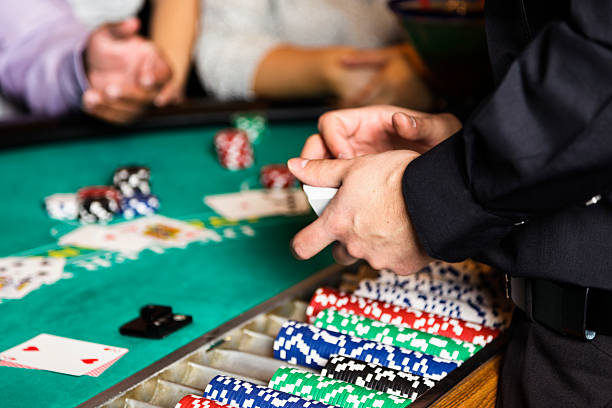
This excitement can trigger the release of dopamine, a neurotransmitter associated with pleasure, reinforcing the desire to engage in gambling behaviors. As players chase after that next win, they may find themselves caught in a cycle of highs and lows, akin to a rollercoaster ride, which can lead to a deeper exploration of their motivations and the psychological impacts of this activity.
The Emotional Highs and Lows
The emotional journey of gambling can be intense. Players often experience exhilarating highs when they win, which can lead to feelings of euphoria and increased self-confidence. However, these highs are typically followed by significant lows, especially when losses occur. This emotional volatility can lead to a distorted perception of reality, causing individuals to overestimate their chances of winning or to continue gambling in hopes of recovering their losses.
Moreover, the psychological effects of winning can vary greatly from person to person. While some may feel satisfied and fulfilled after a win, others may find themselves experiencing anxiety or pressure to continue playing. This emotional rollercoaster can lead to compulsive gambling behaviors, as individuals seek to replicate the positive feelings associated with winning, often overlooking the risks involved.
The Impact on Mental Health
The psychological effects of gambling can significantly impact mental health. Continuous exposure to the highs and lows can lead to increased levels of stress, anxiety, and depression. For some individuals, the desire to gamble can escalate into a more severe gambling disorder, which may require professional intervention. The feelings of guilt or shame that often accompany gambling losses can compound these issues, creating a vicious cycle that is difficult to break.
Additionally, the stigma surrounding gambling can deter individuals from seeking help. Many may feel isolated in their struggles, believing they are alone in experiencing these emotional challenges. Recognizing the importance of mental health and reaching out for support is crucial in managing the psychological effects of gambling, highlighting the need for open discussions about the risks involved.
The Role of Environment and Social Influences
The environment in which gambling takes place can greatly influence an individual’s experience. From the ambiance of a casino to the interactive elements of online gaming, these factors can enhance the thrill but also contribute to unhealthy patterns. Social influences, including peer pressure and cultural attitudes towards gambling, can further complicate an individual’s relationship with gambling.
Understanding these external factors is vital for those who gamble, especially beginners. Awareness of how surroundings can affect emotions and decision-making can empower individuals to make more informed choices and adopt healthier gambling habits. This knowledge serves as a foundation for recognizing and addressing the potential psychological pitfalls associated with gambling.

Finding Balance: Responsible Gambling Practices
For those looking to enjoy gambling without falling into its psychological traps, responsible gambling practices are essential. Setting limits on time and money spent is a fundamental approach to maintaining control over one’s gambling experience. Additionally, recognizing personal triggers and emotional responses can help individuals manage their behavior more effectively.
Educational resources and support systems are invaluable in promoting responsible gambling. Websites dedicated to this topic provide insights into gaming mechanics, strategies, and the psychology behind gambling. They also emphasize the importance of balance and well-being, encouraging users to engage in gambling as a form of entertainment rather than a means of escape.
