
Debunking common myths about gambling What you need to know
Understanding Gambling: What It Really Is
Gambling is often misunderstood, reduced to a mere pastime or seen as a vice. At its core, it involves wagering money or something of value on an uncertain outcome, primarily influenced by chance. This fundamental definition underscores that gambling is as much about risk management as it is about luck. People engage in gambling for various reasons, including entertainment, social interaction, and the thrill of competition. Many might turn to sites such as https://casinokingpari.ca/ to explore diverse gaming experiences.
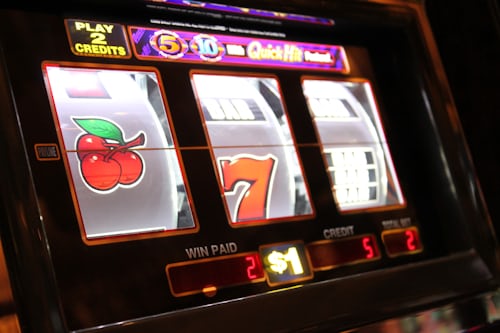
Moreover, gambling encompasses a wide range of activities, from traditional casino games like poker and blackjack to modern online platforms offering various betting options. Each of these activities has its unique rules and odds, making understanding them crucial for responsible participation. This knowledge helps demystify the perception that gambling is merely a game of chance, illustrating that skill and strategy can also play vital roles.
Responsible gambling practices promote a healthy relationship with this activity. By recognizing gambling as a form of entertainment rather than a primary source of income or escape, individuals can mitigate potential risks. Education about the odds and the mechanisms of games fosters a more informed player base, ensuring that gambling remains a fun and engaging experience without leading to harmful behaviors.
Myth: Gambling Is Only for the Unemployed or Poor
One prevalent myth is that only those who are unemployed or financially struggling engage in gambling. In reality, gambling attracts a diverse demographic. People from various backgrounds, professions, and income levels enjoy gambling as a form of entertainment. High-stakes games and luxury casinos often cater to affluent individuals, challenging the stereotype that gambling is solely a low-income pursuit.
This misconception can also perpetuate stigma around gambling, deterring responsible participants from engaging openly in the activity. By acknowledging that a wide spectrum of people enjoys gambling, society can foster a healthier conversation about its implications. It becomes clear that financial status does not dictate one’s relationship with gambling; responsible practices and self-awareness do.
Furthermore, many gamblers are aware of their limits and approach gambling with a balanced mindset. They incorporate it into their leisure activities without allowing it to overshadow their financial stability or personal relationships. Dispelling this myth encourages a more inclusive view of gambling, allowing for positive discourse around responsible gambling habits among all socioeconomic groups.
Myth: Gambling Is Purely Luck-Based
While luck undeniably plays a significant role in gambling, the belief that it is solely based on chance oversimplifies the intricacies involved. Many gambling activities, especially card games like poker, require a blend of strategy, skill, and psychological insight. Understanding the odds and employing effective strategies can significantly improve one’s chances of winning, debunking the notion that gambling is just about random fortune.
Additionally, the design of many casino games, including the house edge, demonstrates that long-term success involves understanding how these odds work. Players who take the time to learn about game mechanics, probabilities, and betting strategies often find themselves better equipped to make informed decisions, leading to more enjoyable and potentially lucrative experiences.
However, it is essential to recognize that even with skill and strategy, losses are still a part of the gambling experience. This reality emphasizes the importance of responsible gambling, encouraging individuals to engage in these activities with a clear understanding of the risks involved. This balanced perspective can help players navigate the gambling landscape while enjoying their experience without unrealistic expectations.
Myth: Online Gambling Is Unregulated and Unsafe
The rise of online gambling has brought about concerns regarding safety and regulation. Many people believe that online gambling platforms operate in a completely unregulated environment, posing risks to players. In fact, many jurisdictions have established strict regulations for online gambling, ensuring that these platforms adhere to specific standards for fairness, security, and responsible gambling practices.
Legitimate online casinos utilize advanced encryption technologies to protect players’ personal and financial information. Additionally, reputable sites are frequently audited by independent organizations to verify the fairness of their games. This level of oversight makes online gambling much safer than many realize, reinforcing the need for responsible participation and informed choices.
Moreover, many online platforms provide resources for responsible gambling, including self-exclusion options, deposit limits, and access to support organizations. This fosters a culture of awareness among players, helping them navigate potential risks effectively. By educating themselves about these regulations and resources, individuals can enjoy the convenience of online gambling without compromising their safety and well-being.
Myth: Gambling Always Leads to Addiction
The fear of gambling addiction often leads to the misconception that all gamblers are destined to develop an uncontrollable habit. While gambling addiction is a real concern for some individuals, the vast majority of people can engage in gambling activities responsibly without developing compulsive behaviors. Understanding this distinction is essential for promoting a healthier perspective on gambling as a recreational activity.
Factors contributing to gambling addiction often include underlying psychological issues, personal circumstances, and emotional stressors. Many responsible gamblers actively monitor their behavior, ensuring they play within their limits and avoid detrimental consequences. By emphasizing the importance of awareness and self-regulation, society can help individuals understand that gambling can be enjoyed without falling into addiction.
Furthermore, support systems are readily available for those who may struggle with gambling-related issues. Organizations dedicated to helping individuals with gambling problems focus on education and awareness to foster healthier attitudes toward gambling. Promoting open conversations about the potential risks associated with gambling can significantly reduce the stigma and encourage individuals to seek help when necessary.

Final Thoughts on Responsible Gambling and Education
Understanding the realities of gambling is essential for fostering a responsible and informed community of players. This article highlights the importance of debunking common myths that can lead to misunderstanding and stigma. By clarifying misconceptions about gambling, we pave the way for more open conversations and responsible participation.
Responsible gambling practices are crucial for ensuring that this form of entertainment remains enjoyable and safe for everyone involved. Education about the risks, strategies, and potential outcomes of gambling can empower individuals to make informed decisions. Emphasizing the significance of self-awareness and setting limits contributes to a healthier gambling culture.
For those interested in exploring this exciting activity, educating oneself about the various aspects of gambling, including regulations and responsible practices, is paramount. With the right knowledge, individuals can engage in gambling activities safely and responsibly, transforming them into a positive and enjoyable experience.
