
The cultural significance of casinos in modern society
Historical Context of Casinos
Casinos have a rich history that dates back centuries, serving as a focal point for entertainment and social interaction in various cultures. Originally, these establishments were often linked to social elites, where gambling was viewed as a sophisticated pastime. Over time, the perception of casinos evolved, becoming more accessible to the general public and integrating into mainstream culture. Many enthusiasts find valuable insights over at blackjack city casino review, which helps in understanding the dynamics of gambling and skill.
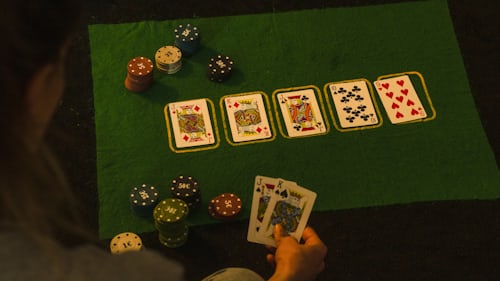
This transition marked a significant shift in the societal role of casinos, allowing them to become hubs of recreation and leisure. The growth of gambling laws and the establishment of casinos in various regions highlighted a growing acceptance of this form of entertainment, reflecting broader societal changes and attitudes toward risk and reward.
Casinos as Social Spaces
In modern society, casinos function as vibrant social spaces where individuals from diverse backgrounds converge. They offer a unique blend of thrill, entertainment, and social interaction. People visit casinos not only to gamble but also to socialize, dine, and enjoy various forms of entertainment, such as live performances and shows.
This social aspect is crucial, as it fosters community and connection among patrons. Casinos often host events, tournaments, and promotions that encourage participation and engagement, helping to cultivate a sense of belonging among visitors. As a result, casinos have become an integral part of the social fabric in many communities.
The Economic Impact of Casinos
Casinos significantly contribute to local and national economies by creating jobs, generating tax revenue, and attracting tourism. They provide employment opportunities in various sectors, including hospitality, security, and entertainment, thereby boosting local economies. The influx of tourists drawn to casinos can stimulate growth in adjacent businesses such as hotels, restaurants, and retail stores.
Furthermore, the tax revenue generated from casinos plays a crucial role in funding public services and infrastructure. As a result, many governments view casinos as vital economic engines, balancing the potential social impacts of gambling with the financial benefits they bring to society.
The Role of Luck and Skill
The interplay between luck and skill in gambling games is a topic of much discussion and debate. While games of chance, such as slot machines, rely heavily on luck, skill-based games like poker and blackjack allow players to apply strategies and tactics. This dichotomy adds a layer of intrigue and complexity to the casino experience.
Players often find themselves navigating the fine line between relying on luck and honing their skills. This dynamic not only influences how games are played but also shapes perceptions of gambling in society, with some viewing it as a mere game of chance while others see it as a skillful endeavor. The cultural significance of this balance reflects broader attitudes toward risk, competition, and personal agency.

Join the Blackjack Community
For those interested in diving deeper into the world of blackjack, platforms like BlackjackCity.net offer a wealth of resources and insights. This online community provides valuable information on strategies, rules, and gameplay, helping both beginners and experienced players enhance their skills.
By fostering a supportive environment where enthusiasts can connect, share tips, and learn from one another, BlackjackCity.net enriches the gaming experience. Whether you’re looking to improve your skills or simply enjoy the thrill of the game, this platform serves as a vital resource for blackjack lovers everywhere.
